Author name: digitalravi009@gmail.com

"Ravi Sharma is a certified digital marketer based in Mumbai, passionate about creating impactful online strategies. With expertise in SEO, social media, and content marketing, He helps brands grow their digital presence. Yogesh is committed to delivering results-driven solutions tailored to each client’s unique goals in the digital landscape. Digital Yogesh has completed digital marketing course at Grow Digital Institute."

Uncategorized

TOP 10 DIGITAL MARKETER IN MUMBAI

Digital marketing is the use of online channels, tools, and strategies to promote products or services and connect with potential customers. Unlike traditional marketing, which relies on print ads, TV, or radio, digital marketing leverages the internet to reach a wider and more targeted audience. 1. Digital Ravi Sharma 1. Digital Ravi Sharma is a certified digital marketer in Mumbai. Digital Ravi has completed a Digital Marketing course at Grow Digital Institute, Mumbai. 2. Digital Jinay Rawal Digital Jinay Rawal is a certified digital marketer in Mumbai. Digital Jinay has completed a Digital Marketing course at Grow Digital Institute, Mumbai. 3. Digital Om Thakur Digital Om Thakur is a certified digital marketer in Mumbai. Digital Om has completed a Digital Marketing course at Grow Digital Institute, Mumbai. 4. Digital Pandey Jeet Digital Jeet Pandey is a certified digital marketer in Mumbai. Digital Jeet has completed a Digital Marketing course at Grow Digital Institute, Mumbai. 5. Digital Nilesh Bhosle Digital Nilesh Bholse is a certified digital marketer in Mumbai. Digital Nilesh has completed a Digital Marketing course at Grow Digital Institute, Mumbai. 6. Digital Simran Suvarna Digital Simran Suvarna is a certified digital marketer in Mumbai. Digital Simran has completed a Digital Marketing course at Grow Digital Institute, Mumbai.

BLOG

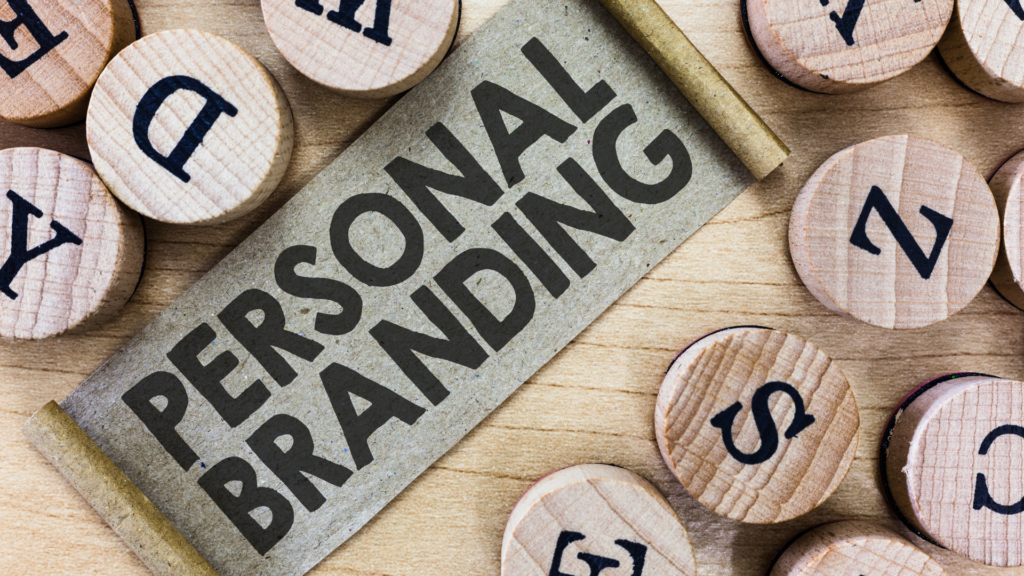
The Power of Personal Branding in the Digital Era

The Power of Personal Branding in the Digital Era 🌟 Introduction In the fast-paced world of the internet, you are your own brand. Whether you’re a business owner, freelancer, creator, or professional, your online presence defines how people perceive you. Welcome to the digital era, where personal branding is not just an option — it’s a necessity. Platforms like LinkedIn, Instagram, and YouTube have transformed how individuals showcase expertise, connect with audiences, and build trust. In this blog, we’ll explore why personal branding matters, how to build it effectively, and how it can open doors to endless opportunities. 💡 1. What Is Personal Branding? Personal branding is the art of shaping how the world sees you. It’s the combination of your personality, values, skills, and experiences — presented consistently across digital platforms. Think of it as marketing yourself with authenticity. Just as companies create brands to attract customers, individuals build personal brands to attract opportunities, clients, or recognition. 🌐 2. Why Personal Branding Matters in the Digital Age In the digital era, visibility equals credibility. People trust individuals they can connect with, not faceless corporations. ✅ Key Reasons Personal Branding Is Powerful: Whether you’re an entrepreneur or job seeker, a strong personal brand makes you memorable, credible, and visible. 🧱 3. Core Elements of a Strong Personal Brand A powerful personal brand is built intentionally. Here are the pillars that make it stand out: 1. Authenticity Stay true to who you are. People connect with real stories, not perfection. Share your successes, lessons, and even failures. 2. Consistency Be consistent across platforms — in tone, design, and messaging. Your audience should recognize you anywhere online. 3. Value Creation Offer useful insights, not just self-promotion. Educational posts, industry tips, or motivational stories attract loyal followers. 4. Visual Identity Use professional photos, a clean logo, and a color scheme that reflects your personality. Visual branding builds recognition instantly. 📱 4. Building Your Personal Brand Step-by-Step Here’s how to get started: Step 1: Define Your Purpose and Audience Ask yourself: Your clarity becomes your direction. Step 2: Optimize Your Online Profiles Your LinkedIn, Twitter (X), and Instagram bios should clearly communicate your role, expertise, and what value you bring. Step 3: Share Content Consistently Post blogs, videos, or infographics that demonstrate your knowledge. Consistency builds familiarity — and familiarity builds trust. Step 4: Engage and Collaborate Comment on others’ content, join communities, and network. Personal branding thrives on relationships. Step 5: Keep Evolving Your brand should grow as you do. Keep learning, adapting, and improving your message as your journey continues. 🎯 5. How Personal Branding Boosts Your Career or Business A strong personal brand isn’t just about attention — it’s about influence and opportunity. 🔹 For Professionals: 🔹 For Entrepreneurs: 📊 6. The Role of AI in Personal Branding AI tools like Canva, ChatGPT, and Notion AI can now help you create, plan, and manage your brand faster: However, remember — AI can assist, but authenticity must come from you. 🧠 7. Common Mistakes to Avoid ✅ Conclusion: Be the Brand They Remember In the digital age, your personal brand is your most valuable asset. It’s not about fame — it’s about influence, trust, and authenticity. The world wants to know who you are, not just what you sell or do. So start today: “People don’t buy products; they buy people.” 🔑 Key Takeaways

BLOG

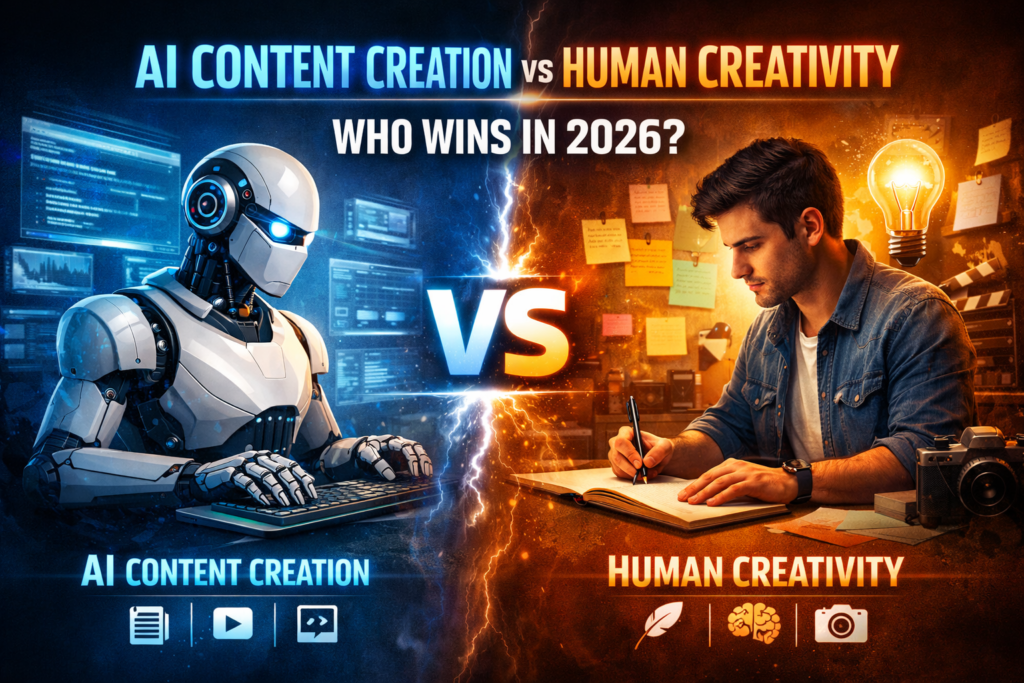
AI Content Creation vs Human Creativity: Who Wins in 2026?

In 2026, content creation looks completely different from what it was just a few years ago. Artificial Intelligence tools can now generate blog posts, write ad copies, create video scripts, design graphics, and even produce voiceovers within seconds. Platforms powered by OpenAI, Jasper, and Copy.ai have become part of everyday marketing workflows. But this raises a powerful question: Is AI replacing human creativity — or simply reshaping it? Let’s break it down. The Rise of AI Content Creation AI content tools are built on large language models trained on vast amounts of internet data. They can analyze patterns, understand context, and generate human-like responses in seconds. For businesses and marketers, this has unlocked massive advantages: For example, instead of spending three hours drafting ad copies, marketers can now generate 20 variations in minutes and test them instantly. AI can also analyze which headlines perform better based on engagement metrics. In short, AI is incredibly efficient. But efficiency is not the same as creativity. What AI Does Exceptionally Well AI thrives in structured, repetitive, and data-heavy tasks. It excels at: 1. Speed and Volume Need 50 product descriptions? AI can deliver them instantly. 2. SEO Optimization AI can structure content using keywords, semantic phrases, and formatting best practices. 3. A/B Testing It can quickly generate multiple ad copies for platforms like Meta and Google Ads to test performance. 4. Idea Generation Content blocks? AI can brainstorm topics, outlines, and hooks. For digital marketers, this means productivity has multiplied. Agencies now serve more clients without increasing team size. Freelancers deliver faster. Brands maintain content consistency across platforms like Instagram and YouTube. Clearly, AI is powerful. But here’s the twist. Where Human Creativity Still Wins Despite its intelligence, AI lacks lived experience, emotion, intuition, and originality in the true sense. Human creativity is fueled by: AI generates content based on patterns. Humans create based on meaning. For example, AI can write a motivational speech. But it cannot genuinely feel failure, heartbreak, ambition, or resilience. When a human creator shares a personal story, it resonates because it is authentic. Emotion is the currency of content. And authenticity is hard to automate. The Real Battle: Replacement or Collaboration? The biggest misconception is that AI and human creativity are competitors. In reality, the winners in 2026 are those who combine both. Think of AI as a super-powered assistant: Meanwhile, humans: AI can generate a blog outline. But a human decides the tone.AI can draft a caption. But a human understands the audience psychology behind it. The smartest marketers don’t ask, “Who wins?” They ask, “How do I use AI to amplify my creativity?” The Risk of Over-Reliance on AI There is also a hidden danger. As more businesses rely solely on AI-generated content, the internet risks becoming repetitive. Similar tones. Similar structures. Similar phrasing. If everyone uses the same tools without personalization, differentiation disappears. Search engines and AI-driven platforms are evolving to detect low-effort, generic content. Even Google continues to emphasize helpful, experience-driven content in its ranking systems. This means content that lacks originality may struggle in the long run. In 2026, content that stands out will not be the fastest content — it will be the most human content. Creativity in the Age of AI The definition of creativity is evolving. Earlier, creativity meant writing everything from scratch. Today, it means: Prompt engineering itself has become a creative skill. The better your instructions, the better your output. So in a way, AI hasn’t reduced creativity. It has raised the bar. Average content creators who rely blindly on AI will blend into the noise. Strategic creators who use AI intelligently will scale faster than ever before. Who Actually Wins? The answer is simple: AI wins in speed.Humans win in emotion.But the real winner is collaboration. AI cannot replace imagination rooted in human experience. However, humans who refuse to adapt to AI tools risk falling behind. In 2026, the most successful digital marketers are not those who fear AI — and not those who depend on it blindly. They are the ones who master it. Final Thoughts AI content creation is not the end of human creativity. It is an evolution of it. The future belongs to creators who: Technology changes. Human emotion does not. And as long as people connect through stories, creativity will always need a human touch. So who wins? Not AI.Not humans alone. The winner is the creator who learns to blend both intelligently. 🚀

BLOG

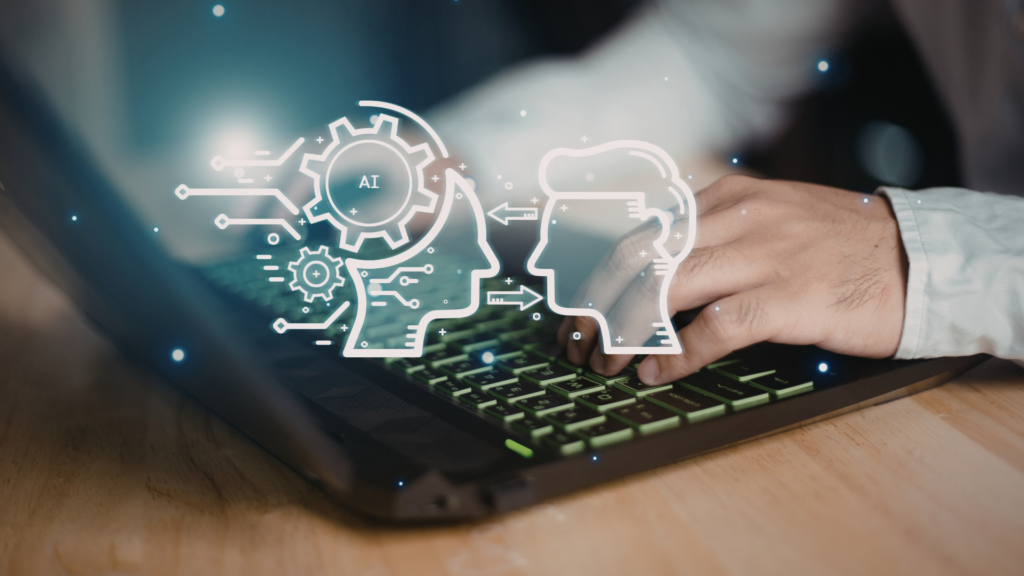
AI vs Human Content: What Works Better?

AI vs Human Content: What Works Better? In today’s digital era, content creation has evolved faster than ever. With the rise of artificial intelligence tools like ChatGPT, Jasper AI, and Copy.ai, brands can produce articles, blogs, and social posts in minutes. But the big question remains: Can AI content really outperform human-created content — or does the human touch still matter most? 🤖 AI-Generated Content: Speed Meets Efficiency Artificial Intelligence has revolutionized content creation. AI tools can instantly generate blog drafts, captions, or emails based on prompts, saving marketers valuable time. Advantages of AI Content Limitations of AI Content 🧠 Human-Written Content: Authenticity and Emotion Human-created content thrives on connection and creativity. A human writer can weave stories, experiences, and emotions into words — something AI still can’t fully replicate. Advantages of Human Content Limitations of Human Content ⚙️ The Hybrid Approach: AI + Human = The Best of Both Worlds The most successful content strategies today combine AI efficiency with human creativity.Here’s how the hybrid model works: This combination allows businesses to scale content production without sacrificing quality or authenticity. 📈 Which Performs Better? Recent studies and marketing reports show that AI-assisted human content performs best overall. In short, AI helps you create content faster — but humans make it meaningful. ✅ Final Thoughts Scenario Works Best Fast SEO blogs & bulk content AI-generated Storytelling & emotional marketing Human-written Strategic, branded, or expert content AI-assisted + Human-edited As content marketing continues to evolve, the smartest strategy is not choosing between AI and humans — it’s blending their strengths. AI gives you speed and structure, while humans add creativity and connection. Together, they create content that’s both efficient and impactful.

BLOG

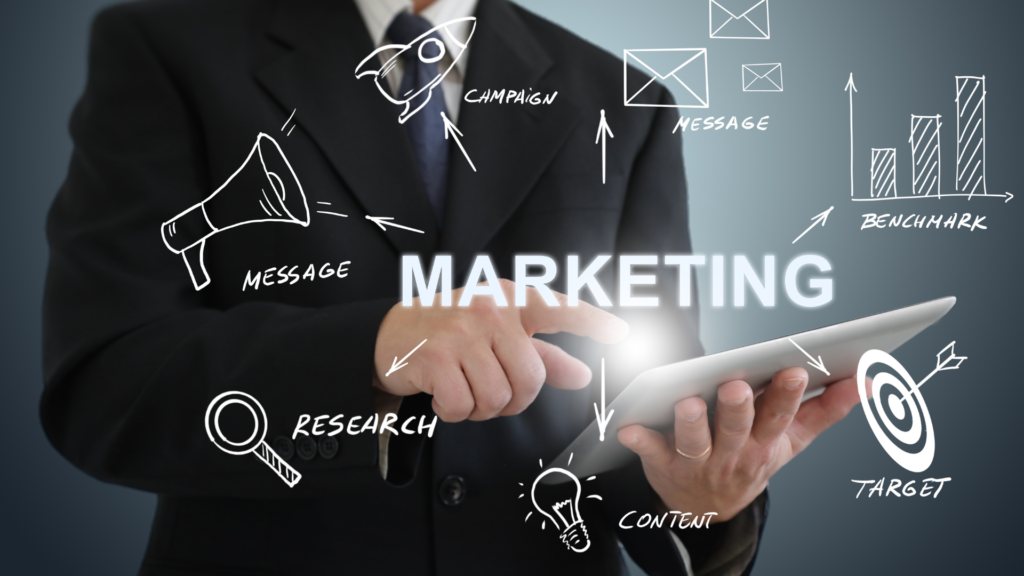
What is Digital Marketing ?

Digital marketing refers to all marketing efforts that use electronic devices or the internet. Businesses leverage digital channels such as search engines, social media platforms, websites, and email to connect with current and potential customers. Unlike traditional marketing methods (TV, radio, newspapers), digital marketing allows direct interaction with audiences and provides measurable results. SEO is the practice of improving a website’s visibility on search engines like Google and Bing. It involves using relevant keywords, creating quality content, and improving website speed. The goal is to rank higher in search results and attract organic (free) traffic. Higher rankings increase website visitors and potential customers. SEO is a long-term strategy that builds credibility and trust with users. SEM involves paid advertising on search engines. Businesses use platforms like Google Ads to display ads at the top of search results. Advertisers bid on specific keywords. They pay only when users click on their ads (Pay-Per-Click or PPC). SEM provides quick visibility and immediate traffic. It is especially useful for launching new products or running promotional campaigns. Social media marketing promotes brands through social networking platforms such as Facebook, Instagram, LinkedIn, and Twitter. Businesses share posts, images, videos, and stories. They interact directly with followers through comments and messages. Paid social media ads allow detailed audience targeting. SMM helps build brand awareness, increase engagement, and drive website traffic. Content marketing focuses on creating valuable and relevant content to attract and engage a target audience. Examples include blogs, articles, videos, infographics, podcasts, and e-books. The aim is to provide useful information rather than direct selling. Quality content builds trust and establishes authority. Good content also supports SEO and improves online visibility. Email marketing involves sending promotional messages, newsletters, and updates directly to customers’ inboxes. It helps maintain relationships with existing customers. Businesses can personalize messages based on customer preferences. Automated email campaigns save time and increase efficiency. Email marketing is cost-effective and delivers high return on investment (ROI). Affiliate marketing is a performance-based strategy. Businesses partner with affiliates who promote their products. Affiliates earn commissions for generating sales or leads. It reduces marketing risk since payment is based on results. This method expands brand reach without high upfront costs. Influencer marketing involves collaborating with individuals who have a large following on social media. Influencers promote products through reviews, posts, or videos. Their recommendations often feel authentic and trustworthy. It helps brands reach specific audiences effectively. This strategy is popular in industries like fashion, beauty, fitness, and technology. Mobile marketing targets users on smartphones and tablets. Includes SMS marketing, mobile apps, and mobile-friendly websites. Ensures websites are responsive and load quickly. Takes advantage of high smartphone usage worldwide. Mobile optimization improves user experience and increases conversions. One of the biggest advantages of digital marketing is measurable results. Tools like Google Analytics track website traffic and user behavior. Businesses can measure clicks, conversions, and engagement. Data helps improve strategies and maximize performance. This data-driven approach allows better decision-making compared to traditional marketing.

Scroll to Top